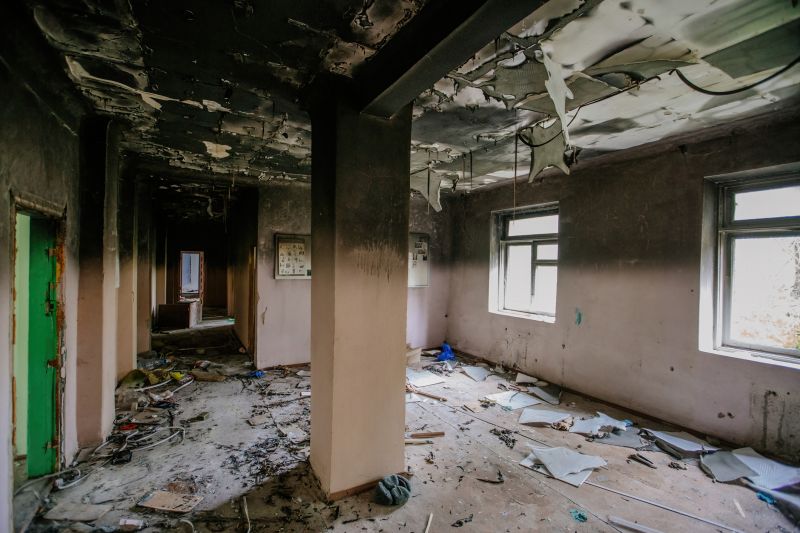
Water Damage Ceiling Repair in Charleston, SC
Water damage ceiling repair services address damage caused by leaks, flooding, or excess moisture that affects the ceiling surfaces of residential properties. These projects typically involve identifying the source of water intrusion, removing damaged materials such as drywall or plaster, and restoring the ceiling’s appearance and structural integrity. Homeowners often request this service after experiencing a plumbing leak, roof leak, or severe weather event that results in visible stains, sagging, or compromised ceiling materials.
Property owners should understand that effective water damage ceiling repair requires addressing both the visible damage and the underlying moisture source to prevent future issues. Before requesting repairs, it’s important to assess the extent of the damage, including whether there is hidden mold growth or structural weakening. Clear communication about the scope of the damage and any associated water sources can help ensure the repair process is thorough and effective.
Many property owners in Charleston, SC look into Water Damage Ceiling Repair for repairs, replacements, upgrades, and appearance-related improvements.
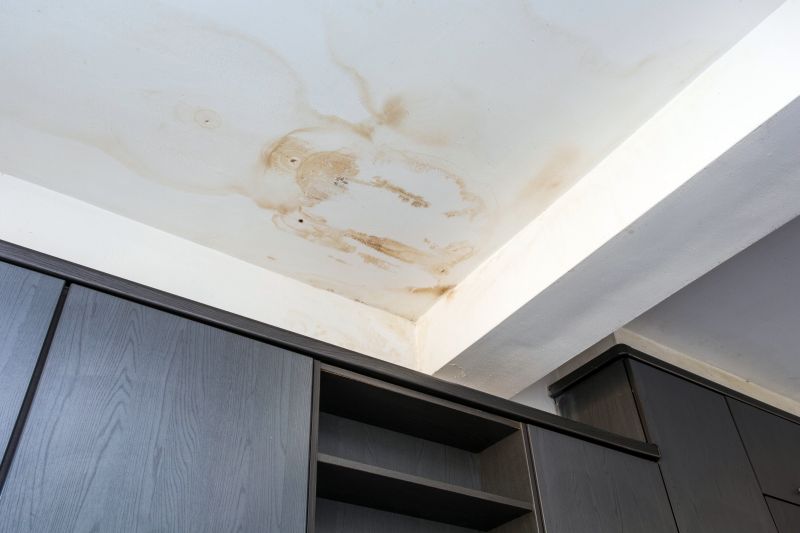
Signs Of Water Damage On Ceilings
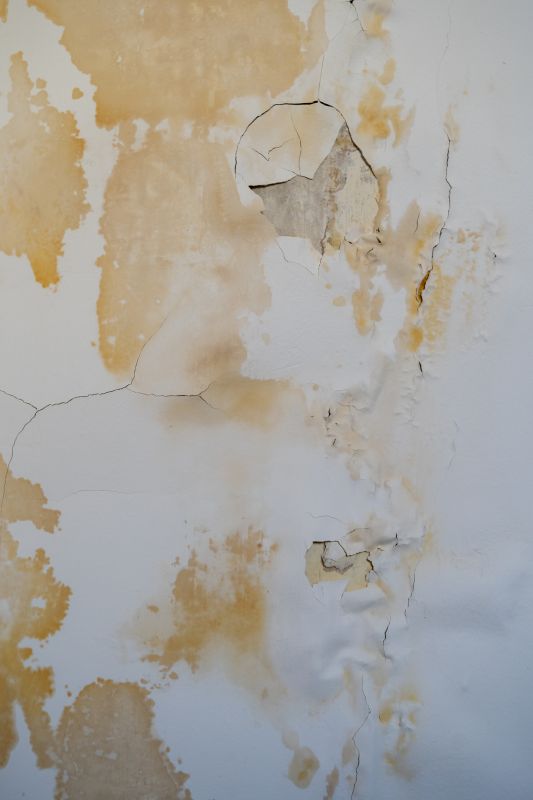
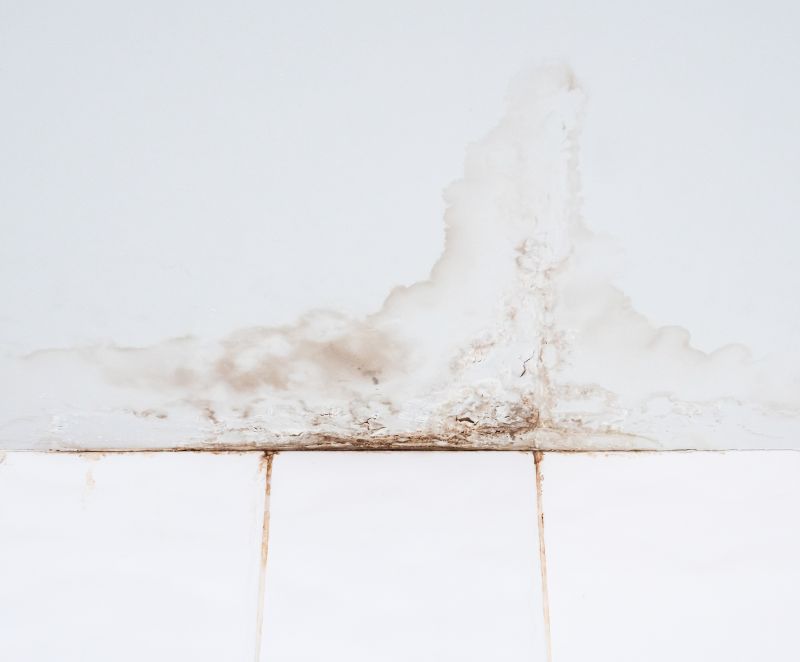
Water stains, sagging, and peeling paint can indicate ceiling damage caused by leaks or flooding.
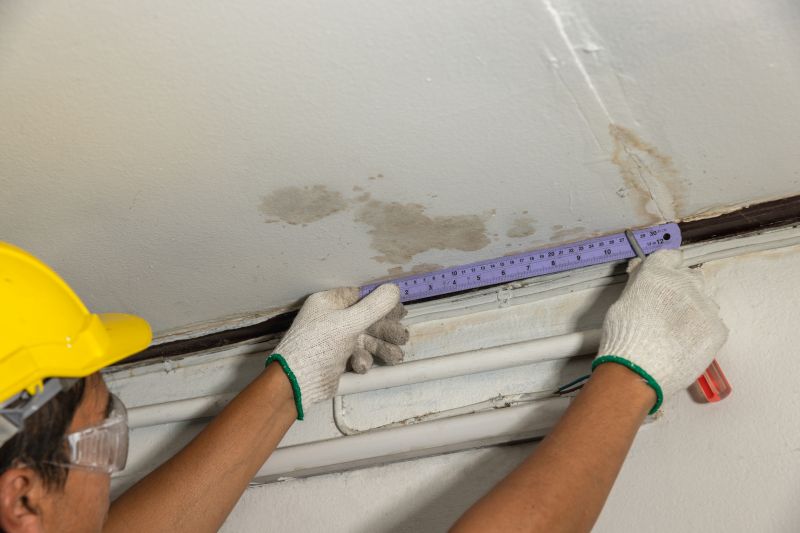
Common Causes Of Ceiling Water Damage
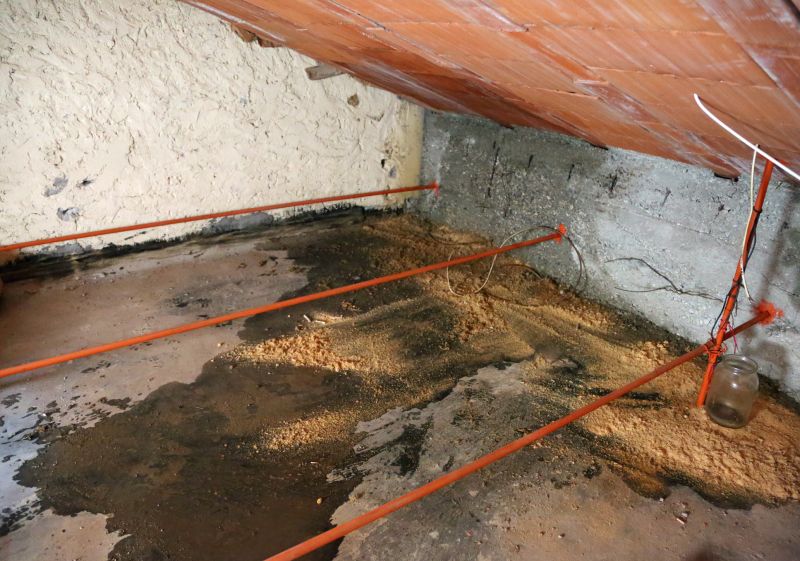
Leaking roofs, burst pipes, and hvac issues are frequent sources of water intrusion in charleston homes.
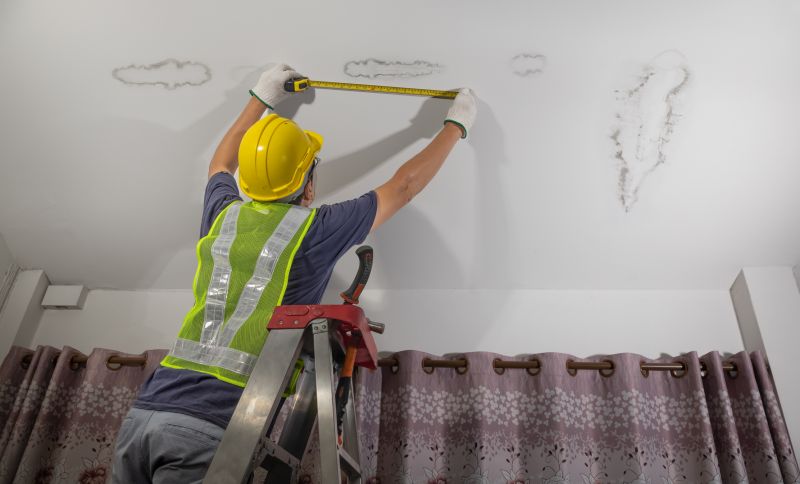
Restoration And Prevention Tips
Timely repairs and moisture control help prevent further damage and maintain ceiling integrity.
Water Damage Ceiling Repair in Charleston, SC

Water damage ceiling repair services address damage caused by leaks, flooding, or excess moisture that affects the ceiling surfaces of residential properties. These projects typically involve identifying the source of water intrusion, removing damaged materials such as drywall or plaster, and restoring the ceiling’s appearance and structural integrity. Homeowners often request this service after experiencing a plumbing leak, roof leak, or severe weather event that results in visible stains, sagging, or compromised ceiling materials.
Property owners should understand that effective water damage ceiling repair requires addressing both the visible damage and the underlying moisture source to prevent future issues. Before requesting repairs, it’s important to assess the extent of the damage, including whether there is hidden mold growth or structural weakening. Clear communication about the scope of the damage and any associated water sources can help ensure the repair process is thorough and effective.
Many property owners in Charleston, SC look into Water Damage Ceiling Repair for repairs, replacements, upgrades, and appearance-related improvements.
Common Water Damage Ceiling Repair Jobs
Water Damage Ceiling Repair - Restores ceilings affected by leaks or flooding to prevent further damage.
Water Stain Removal - Eliminates unsightly stains caused by moisture intrusion.
Ceiling Mold Remediation - Addresses mold growth resulting from prolonged water exposure.
Ceiling Drying and Dehumidification - Dries out affected areas to prevent mold and structural issues.
Structural Damage Repair - Reinforces weakened ceiling components caused by water infiltration.
Leak Source Identification - Finds and addresses the origin of water leaks to prevent future damage.
Water Damage Ceiling Repair Questions
What causes water damage to ceilings? Water leaks from plumbing, roof issues, or HVAC systems can lead to ceiling damage over time.
How can water damage affect a ceiling? It can cause staining, sagging, or even collapse if not addressed promptly.
What signs indicate water damage on a ceiling? Look for discoloration, bulging areas, or peeling paint as common indicators.
Is ceiling repair necessary after water damage? Yes, repairing the ceiling helps prevent further deterioration and restores its appearance.
Request Water Damage Ceiling Repair in Charleston, SC
Use the quote form on this page to share the basics of your project and request more information for the type of work you need.